Maintaining a healthy smile requires more than just daily brushing; it involves professional intervention to remove debris that a toothbrush cannot reach.
However, many patients are surprised when they are told they need something more intensive than a standard polish. Understanding the functional differences between various hygiene procedures is essential for your long-term health.
Whether you are maintaining a healthy mouth or treating the early stages of gum disease, the right treatment plan is determined by the state of your gingival tissues and bone levels.
The primary goal of any clinical hygiene visit is to eliminate bacteria and prevent decay. By identifying the level of care that best meets your specific needs, you can ensure that your teeth remain strong and your gums stay firmly attached.
How Does A Standard Hygiene Visit Maintain Oral Health?
A preventative appointment is designed for patients with healthy gums and no significant bone loss. During this session, the hygienist focuses on areas above the gumline.
When comparing teeth cleaning vs deep cleaning, the preventative version is much less invasive and is typically performed every six months.
- Scaling: Removing plaque and tartar from the visible surfaces of the teeth.
- Polishing: Using a specialized paste to remove surface stains from food and drink.
- Flossing: Ensuring the tight spaces between teeth are clear of debris.
- Examination: Checking for early signs of cavities or oral issues.
When Should You Consider More Intensive Gum Therapy?
If your gums are red, swollen, or bleeding, a standard appointment may not be enough.
Choosing between a regular cleaning vs deep cleaning depends mainly on the depth of the “pockets” between your teeth and gums.
Healthy pockets are usually 1 to 3 millimeters deep; once they reach 4 millimeters or more, it indicates that bacteria have moved toward the root, necessitating a more thorough approach.
What Exactly Is Involved In A Periodontal Treatment?
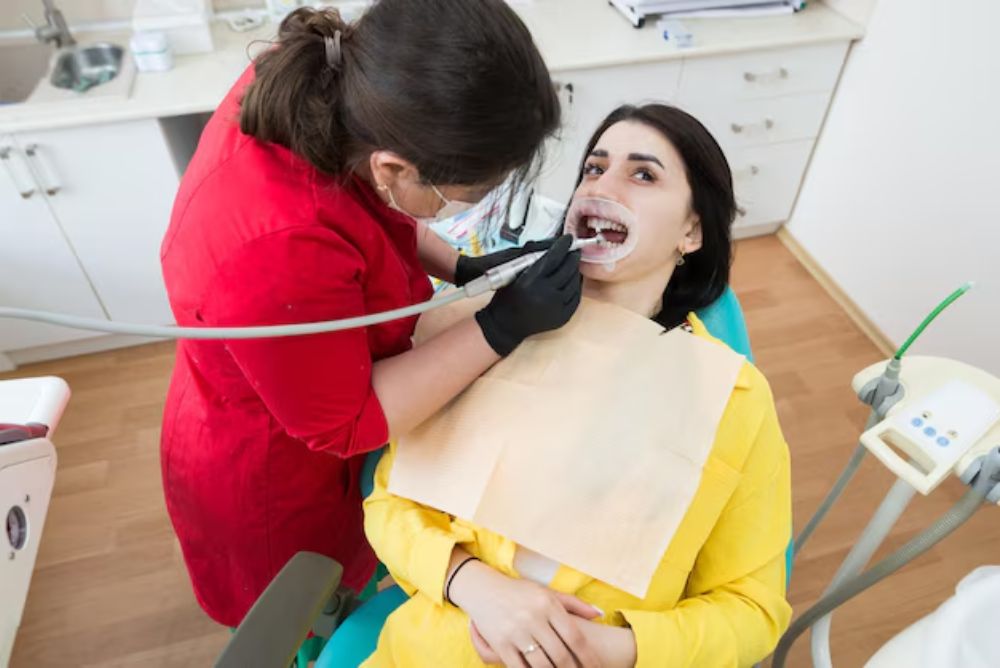
So, what is deep cleaning in a clinical sense? Technically known as scaling and root planing, this is a non-surgical treatment for gum disease.
It goes far beyond a surface polish to clean the actual roots of the teeth.
- Subgingival Scaling – The hygienist removes tartar from beneath the gumline, reaching into the deepened pockets.
- Root Planing – The surface of the tooth root is smoothed out to remove bacterial toxins and prevent plaque from re-attaching.
- Anesthesia – Because the process involves working deep near the nerves, the area is often numbed for comfort.
- Antimicrobials – In some cases, medication is placed in the pockets to kill persistent bacteria.
What Are The Benefits Of Deep Cleanings?
Living in a community with access to modern dental technology means you can address gum disease before it requires surgery.
Deep cleanings by a professional dentist in West Kelowna benefit from a proactive approach that prioritizes the preservation of the natural jawbone.
- Halting Bone Loss – Removing the infection stops the inflammatory response that destroys bone.
- Improving Breath – Chronic bad breath is often caused by bacteria hidden deep in the gums.
- Systemic Health – Treating gum disease can reduce the risk of heart disease and diabetes complications.
- Reduced Sensitivity – Once the infection is cleared and the gums heal, localized pain often decreases.
Why Is A Professional Diagnosis Essential?
You cannot determine which treatment you need based on how your teeth look in a mirror. Only a dentist near you can use periodontal probing and X-rays to see what is happening beneath the surface.
X-rays reveal if the bone supporting your teeth has started to recede, while the probe measures the exact depth of gum separation. This data allows the clinical team to create a roadmap for your recovery.
Searching for deep cleanings near you is the first step toward reversing gingivitis. A clinic focused on periodontal health will provide you with a customized home-care plan, including specific rinses or interdental brushes, to ensure the results of your treatment last as long as possible.
Prioritizing Your Long-Term Oral Health
Taking care of your gums today prevents bigger problems tomorrow. Healthy gums protect the structures that keep your teeth in place, not just your smile.
At Brightside Dental, we provide personalized, comfortable care using the latest techniques. We’ll explain your options so you can feel confident in your treatment.
Contact us today to schedule an assessment and keep your smile healthy.
Find our dental clinic quickly on Google Maps and get directions in just one click. ????
FAQs
1. Does a deep cleaning hurt more than a regular one?
Since the hygienist works below the gumline, local numbing agents are used to ensure the procedure is painless, though you may feel slight pressure.
2. How many appointments are needed for root planing?
Typically, the treatment is split into two visits, one for each side of the mouth, to ensure thoroughness and allow for manageable recovery.
3. Will my gums grow back after the treatment?
While lost bone does not grow back, the treatment allows the gum tissue to become firm and reattach to the clean tooth surface, reducing pocket depths.
4. Can I resume regular cleanings afterward?
After deep treatment, most patients move to a “periodontal maintenance” schedule every 3 to 4 months until the infection is fully stabilized.